I’m Not a Bot: Anti-Bot Systems Explained and How to Solve CAPTCHA with Automation Tools
Table of Contents
The phrase “I’m not a bot” greets millions of internet users daily, tied to CAPTCHA challenges that verify human identity. These anti-bot systems are vital, shielding websites from automated threats like spam, data scraping, credential stuffing, and DDoS attacks. Bots account for a significant portion of web traffic—often over 40%—posing risks to e-commerce, social platforms, and more. Why do sites rely on these defenses, and how can developers navigate them?
This article unpacks the mechanics of “I’m not a bot” checks, exploring how modern anti-bot systems function, from browser fingerprinting to behavioral analysis. We’ll tackle common challenges for automation tools, reveal technical methods like reCAPTCHA solving tools and anti-detect browsers, and showcase how CapMonster Cloud aids in automated CAPTCHA solving. Aimed at developers and tech enthusiasts, we’ll blend insight with practical code examples, wrapping up with best practices. Join us in mastering web scraping, CAPTCHA solving, and automation in this dynamic landscape.

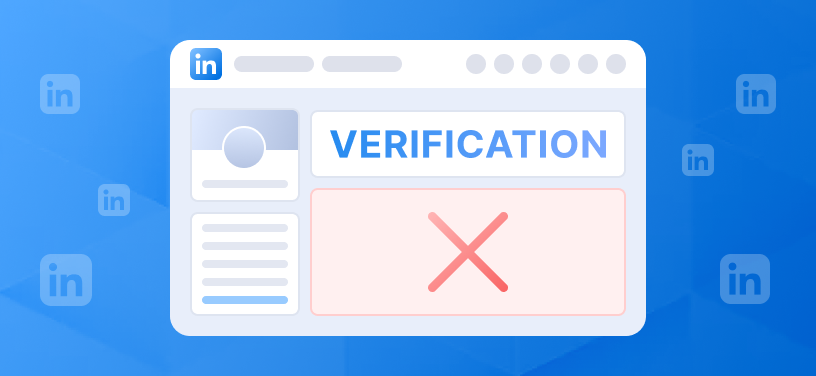
“I’m not a bot” signals a CAPTCHA, a test separating humans from bots. Types include reCAPTCHA v2 (checkbox or image grids), reCAPTCHA v3 (invisible, score-based), and others from Cloudflare, Amazon, and GeeTest. Sites use these to block spam, protect data, and ensure fair user access. For users, CAPTCHAs are barriers—clicking “I’m not a bot,” solving puzzles, or typing distorted text. Captcha solving services like CapMonster Cloud automate these tasks, easing the burden for legitimate automation, such as testing or data collection. This visible layer of anti-bot systems shapes the user experience, balancing security and usability.
Anti-bot systems go beyond CAPTCHAs, leveraging backend tech. Browser fingerprinting tracks user-agent, screen size, and plugins to spot bots. Behavioral analysis monitors mouse movements, keystrokes, and click patterns. Request analysis checks headers, IP consistency, and timing.
Machine learning powers these, learning to flag unnatural actions—rapid requests or robotic mouse paths. Anti-bot detection techniques adapt, countering bypass attempts. For deeper insight, see Cloudflare’s bot protection guide. This backend dance between detection and automation drives the “I’m not a bot” challenge.
Automation hits roadblocks: JavaScript challenges demand code execution, while cookies and local storage track sessions. IP limits block proxies, and odd user-agents expose bots. Timing—too fast or uniform—triggers flags, as do predictable actions. These hurdles complicate web scraping CAPTCHA bypass, pushing developers to mimic humans via anti-bot detection techniques and smart tools.
Avoiding anti-bot checks blends tools and code. Captcha solving services like CapMonster Cloud tackle reCAPTCHA and invisible CAPTCHAs. Anti-detect browsers (e.g., Puppeteer) mask fingerprints, randomizing user-agents and canvas data. Programmatic tricks—emulating mouse moves or randomizing requests—help.
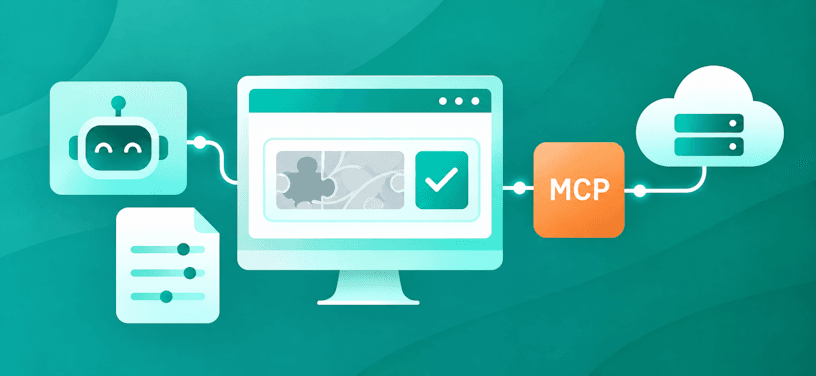
CapMonster Cloud shines in automated CAPTCHA solving, handling reCAPTCHA, GeeTest, and more. Its speed, accuracy, and API integration are key for web scraping CAPTCHA solving. For example, a developer scraping e-commerce prices integrates CapMonster Cloud to solve invisible CAPTCHAs, boosting efficiency. Another use is automating form tests without manual clicks.
Minimize blocks with anti bot detection techniques:
Rotate IPs via proxies for variety.
Manage sessions, cookies, and realistic timing.
Log attempts to tweak approaches—see our logging tips.
Ethics matter: bypassing CAPTCHAs may breach terms or laws. Use how to bypass CAPTCHA methods for legal tasks like testing. Resources like OWASP’s automation ethics guide responsible use.
“I’m not a bot” marks the clash of security and automation. Anti-bot systems lean on fingerprinting and AI, challenging bots with JavaScript and invisible CAPTCHAs. Automation tools for CAPTCHA, like CapMonster Cloud, ease web scraping and testing. Understanding these systems is key for developers.
Note: Please note that the product is intended for automating tests on your own websites and sites you have legal access to.