Top Web Scraping Tools and APIs for Businesses in 2025
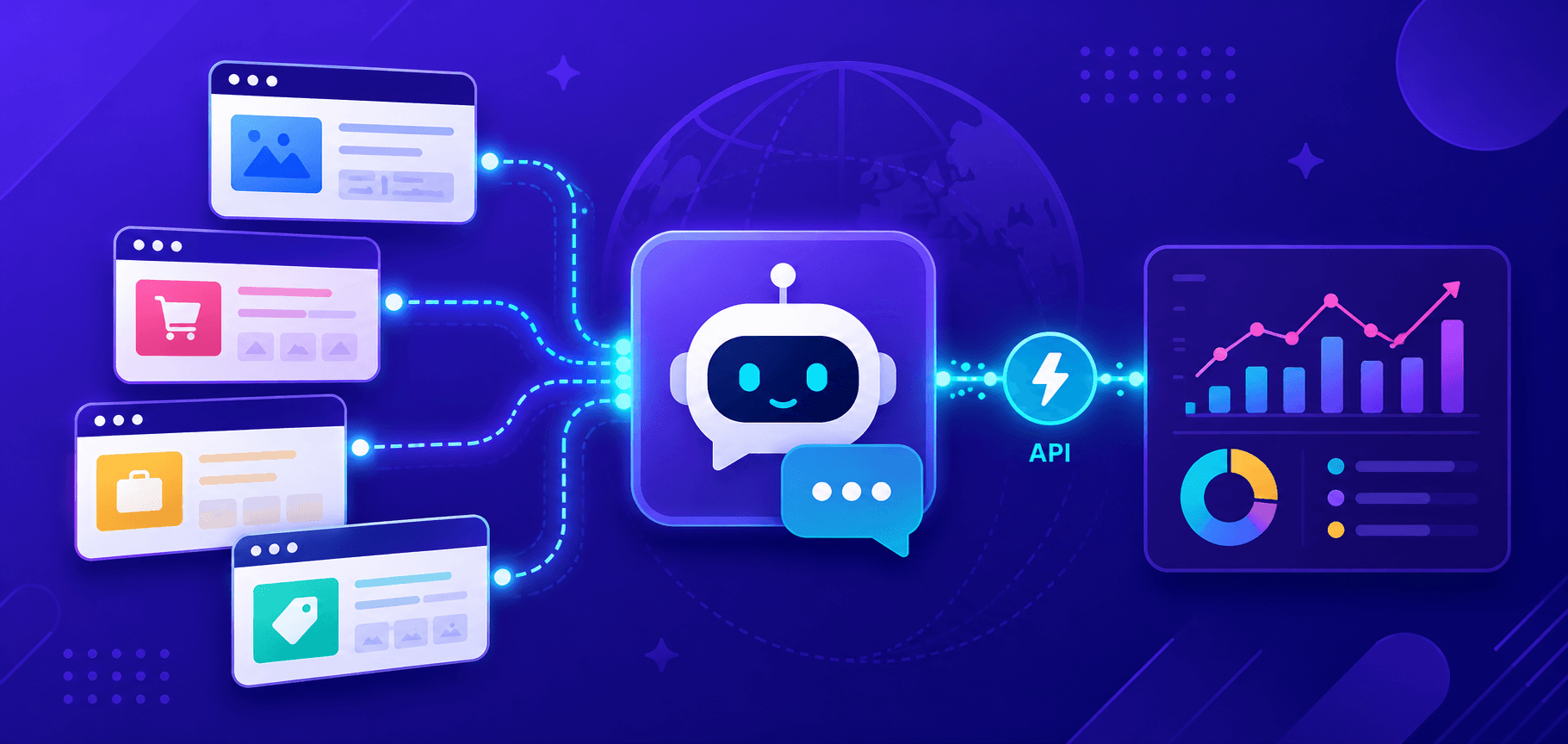
In the age of digital transformation, data is power. Businesses need to stay ahead with real-time insights from websites—whether it’s pricing, product reviews, or competitor updates. Manual data collection is slow and inefficient. That’s where web scraping tools and APIs come in, offering automation, accuracy, and scale.
This guide introduces the top web scraping tools and APIs used by businesses to gather web data efficiently, no matter their size or tech stack.

Why Businesses Use Web Scraping
Web scraping helps businesses:
Monitor competitor prices
Extract leads and contacts
Analyze market trends
Track social media sentiment
Automate research and reporting
But choosing the right tool depends on your needs, legal considerations, and technical capabilities.
Top Web Scraping Tools & APIs for Businesses
1. CapMonster Cloud
Type: CAPTCHA solving API
Best for: Bypassing CAPTCHA challenges during web scraping
Highlights:
Supports reCAPTCHA v2/v3, Temu, Image to Text, and many more
Lightning-fast solving with high success rates
Affordable, high-volume pricing
Works with headless browsers, Puppeteer, Playwright, Selenium
CapMonster Cloud is essential for scraping websites, ensuring uninterrupted data extraction even when faced with anti-bot challenges.
2. Scrapy
Type: Open-source framework
Best for: Developer teams with custom scraping projects
Highlights:
Python-based and extensible
Built-in support for selectors, pipelines, and middleware
Ideal for high-speed, complex crawlers
Use Scrapy when you need full control over your scraping architecture.
3. Octoparse
Type: No-code scraping tool
Best for: Non-technical users and business analysts
Highlights:
Visual point-and-click interface
Cloud-based scraping and scheduling
Built-in IP rotation and CAPTCHA handling
Octoparse is perfect for eCommerce price tracking, job scraping, or competitor monitoring without writing code.
4. Bright Data
Type: Data proxy and web scraping platform
Best for: Enterprise-grade scraping and large-scale operations
Highlights:
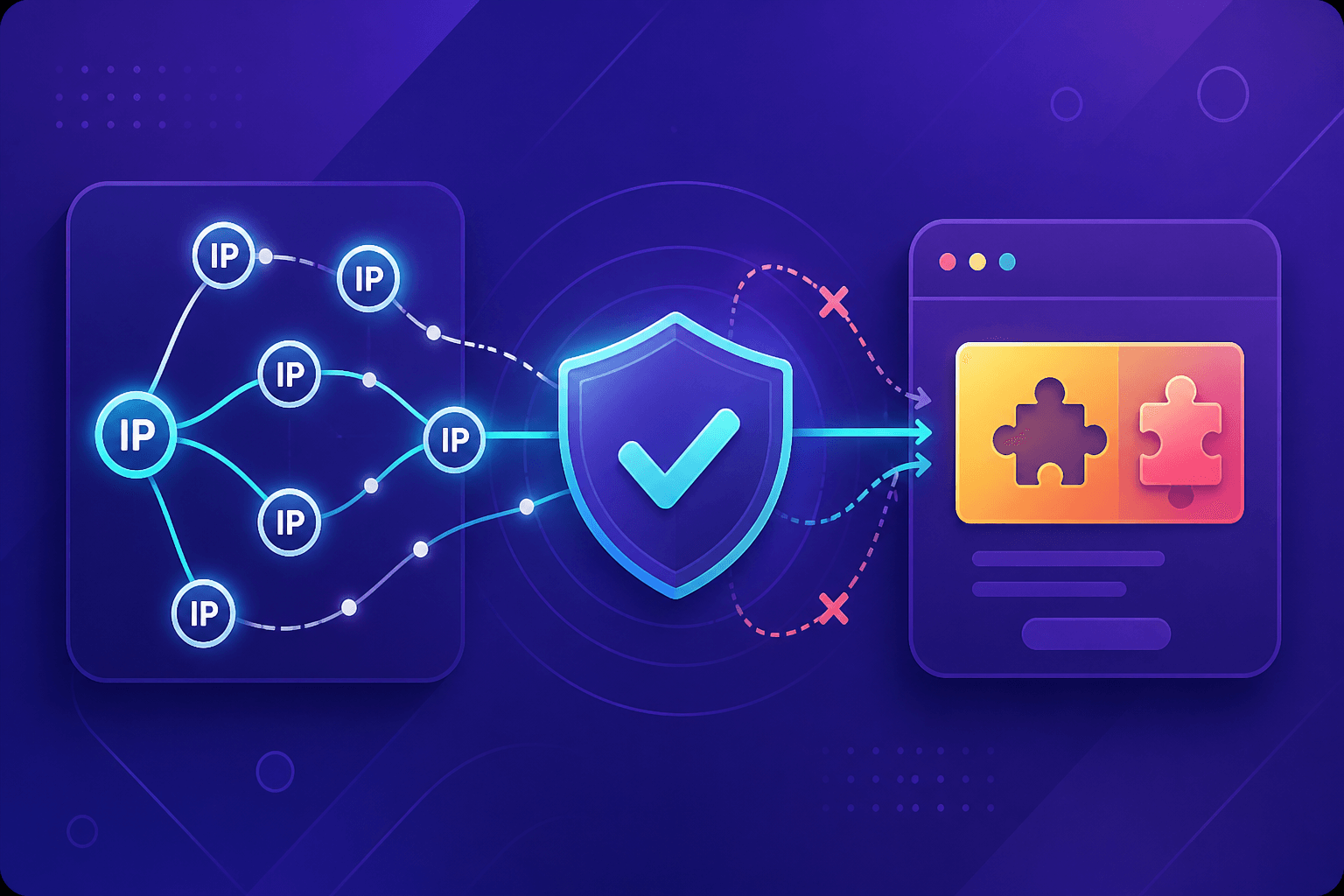
72M+ IPs (residential, mobile, data center)
Built-in Web Unlocker to bypass anti-bot protection
Compliance-focused, with extensive legal support
Bright Data excels at scraping sites like Amazon, Google, and travel portals with aggressive bot detection.
5. Zyte
Type: Full-service data extraction platform
Best for: Businesses that prefer managed services
Highlights:
Smart Proxy Manager for dynamic sites
Browser automation and rendering
Legal-first approach to web data collection
Formerly Scrapinghub, Zyte helps companies focus on insights, not scraping infrastructure.
6. SerpAPI
Type: Real-time search engine scraping API
Best for: Google, Bing, and search engine result pages (SERPs)
Highlights:
Handles CAPTCHA, localization, and JavaScript rendering
Fast, accurate, and returns structured JSON
Great for SEO audits, ad tracking, and competitive research in search rankings.
7. Diffbot
Type: AI-powered structured web data API
Best for: Knowledge graph creation and semantic data
Highlights:
Automatically identifies articles, products, discussions, etc.
Provides relationships between entities
Ideal for big data analysis and content intelligence
Diffbot is often used by media companies, data analysts, and research teams.
How to Choose the Right Tool
Before choosing a tool or API, ask yourself:
Do I need code or no-code?
Is the website I'm scraping protected or dynamic?
Do I need ongoing or one-time scraping?
What’s my legal risk or compliance requirement?
Can the tool scale with my business needs?
Whether you’re a startup extracting leads or a global company monitoring real-time market trends, web scraping is a competitive advantage. Choosing the right combination of tools—like CapMonster Cloud for bypassing protection and Scrapy or Apify for structured data collection—can make all the difference.
Prioritize reliability, legal compliance, and automation to ensure your data strategy is both effective and scalable.
NB: Please note that the product is intended for automating tests on your own websites and sites you have legal access to.