Is Web Scraping Legal? Everything You Need to Know
Table of Contents
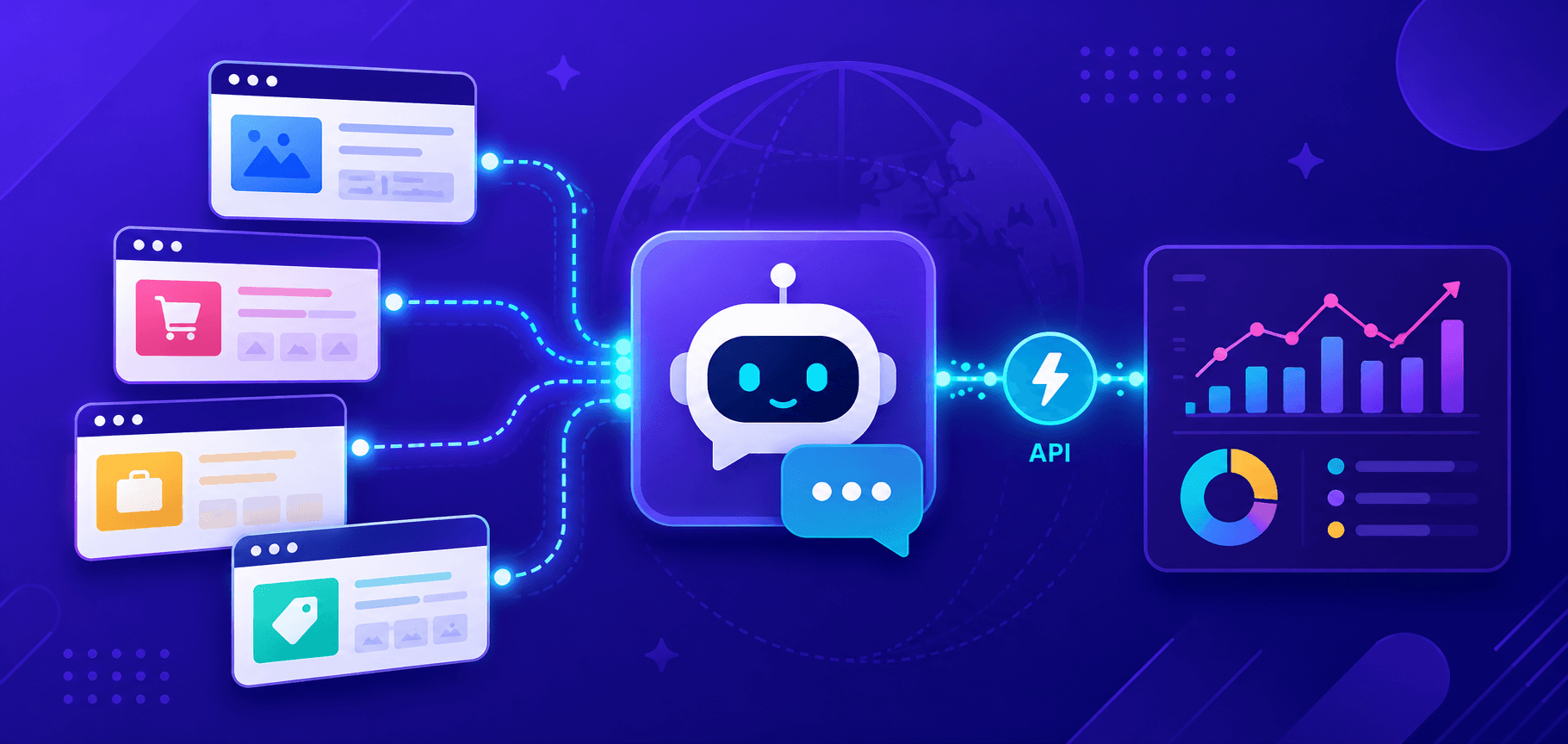
Web scraping is a widely used technique in today's digital landscape. It involves extracting information from websites to analyze data, create insights, or enhance business processes. However, the question of whether web scraping is legal remains a significant concern for developers, companies, and legal authorities worldwide. This article explores the legality of web scraping, its ethical implications, and how it is practiced in compliance with the law.
Web scraping has become crucial for businesses seeking a competitive edge, allowing them to gather information for informed decisions. Companies use web scraping to track competitors' pricing, monitor customer sentiment, and stay updated on industry trends. Despite its advantages, the legality of web scraping is not always clear-cut, and businesses must navigate a complex web of legal and ethical issues.

Web scraping is the process of using automated tools to extract publicly available data from websites. This data can range from product listings on e-commerce platforms to weather updates and financial statistics. The legality of web scraping depends on factors like the type of data being scraped and the terms of service of the target website.
Web scraping can be achieved using techniques like HTML parsing, DOM parsing, and APIs. HTML parsing involves extracting data from the code of a web page, while DOM parsing interacts with the page's structure as represented by the Document Object Model. APIs allow developers to request specific data in a structured manner, often with the website owner's consent.
Web scraping is used across industries for purposes such as:
- Market Research: Companies collect data to understand market trends and competitive pricing.
- Academic Research: Researchers gather datasets for analysis in fields like economics and sociology.
- News Aggregation: News websites aggregate content from different sources for comprehensive coverage.
Despite its many applications, web scraping raises significant legal and ethical questions that must be addressed to ensure compliance.
The legality of web scraping is complex and varies by jurisdiction and circumstances. Consider the following factors:
In the United States, the legality of web scraping often hinges on the interpretation of the Computer Fraud and Abuse Act (CFAA). The CFAA prohibits unauthorized access to computer systems, and violating a website's terms of service (TOS) can sometimes be interpreted as unauthorized access. However, recent cases, such as HiQ Labs vs. LinkedIn, have challenged this interpretation, with courts ruling that scraping publicly accessible data may not violate the CFAA. The decision in favor of HiQ emphasized that publicly available data could be legally scraped, though the case remains a point of contention.
In the European Union, the General Data Protection Regulation (GDPR) plays a crucial role in determining the legality of web scraping. GDPR requires businesses to protect individuals' personal data and obtain consent for data collection, making it illegal to scrape personal information without proper authorization. Non-compliance with GDPR can result in severe fines, emphasizing the importance of adhering to data privacy regulations when scraping data from EU-based websites.
In parts of Asia and Australia, web scraping laws vary. Some jurisdictions have strict data protection laws, while others may be more lenient. For example, Australia's privacy laws require businesses to handle personal information responsibly, similar to GDPR, whereas some Asian countries may have less defined regulations regarding data scraping.
The legality of web scraping depends on several factors, which can vary depending on the jurisdiction:
Publicly Available Data
If the data is publicly accessible and not protected by passwords or encryption, scraping it may be legal. However, just because data is visible online does not mean it is free to use without restrictions.
Websites hosting public data often include terms of service (TOS) that restrict scraping. Violating these terms could lead to legal disputes. The distinction between publicly accessible and publicly usable data is crucial for determining legality.
Compliance with Terms of Service
Ignoring a website’s TOS can lead to legal challenges, particularly in the U.S., where the CFAA governs unauthorized access. Violating a website's TOS could be interpreted as unauthorized access.
Cases like HiQ Labs vs. LinkedIn highlight the blurred lines between public data scraping and legal boundaries. HiQ scraped publicly available LinkedIn profiles, and LinkedIn argued this violated their TOS and the CFAA. The court ruled in favor of HiQ, underscoring the need for businesses to be aware of evolving legal standards.
Privacy Laws
Scraping personal data, such as names or email addresses, may violate privacy laws like GDPR in the EU or CCPA in California. These laws protect individuals' personal information and place strict requirements on how such data can be collected, stored, and used.
Companies must obtain explicit consent to collect personal information via scraping. GDPR penalties for non-compliance can be severe, including fines of up to 4% of a company's global turnover. Therefore, businesses must ensure that any personal data collected through web scraping complies with relevant privacy regulations.
Copyright and Intellectual Property
Copying proprietary content or designs from a website may breach intellectual property laws. Copyright protection extends to original works, including written content and images, meaning that scraping such content without permission could lead to legal action.
Data scraping should avoid copyrighted material unless explicitly permitted. It is important to differentiate between raw data and creative works while factual data may not always be protected, any creative elements that express originality could be subject to copyright law.
While legal boundaries are crucial, ethical considerations are equally important. Responsible scraping practices ensure that businesses respect website owners' intentions and users' privacy. Ethical guidelines include:
Avoiding excessive scraping that may overload servers. Overloading a server with too many requests can degrade the website's performance and impact other users. Ethical scrapers should limit their request rate to ensure they do not disrupt the website's operations.
Respecting robots.txt directives to limit access. The robots.txt file is a standard used by website owners to communicate with web crawlers about which pages or sections of the site they do not want to be scraped.
Informing website owners or seeking permissions when necessary. In some cases, it may be appropriate to reach out to website owners and seek permission before scraping their content. This ensures compliance and fosters positive relationships between scrapers and content owners.
Transparency and Communication: Ethical scrapers should be transparent about their intentions. Reaching out to website owners and communicating the purpose of data collection helps build trust and may lead to opportunities for collaboration.
Web scraping, when done improperly, carries significant risks and consequences for individuals and businesses. These risks extend beyond legal penalties and can impact a company's brand and technical capabilities.
Companies like Amazon and LinkedIn have filed lawsuits against individuals and businesses engaging in unauthorized scraping. These legal actions serve as a deterrent and highlight the importance of understanding the legal implications of web scraping.
Violating laws like CFAA can result in fines or criminal charges. The CFAA is a powerful tool that companies use to protect their data and systems from unauthorized access. Violating the CFAA carries the risk of hefty fines and imprisonment for serious offenses.
Engaging in unethical scraping practices can harm a company’s reputation and lead to loss of trust among customers and partners. Companies that are perceived as violating ethical or legal standards may struggle to build lasting relationships and face public backlash.
Negative publicity from scraping-related lawsuits can have long-term consequences, impacting a company's ability to attract clients and maintain its brand image.
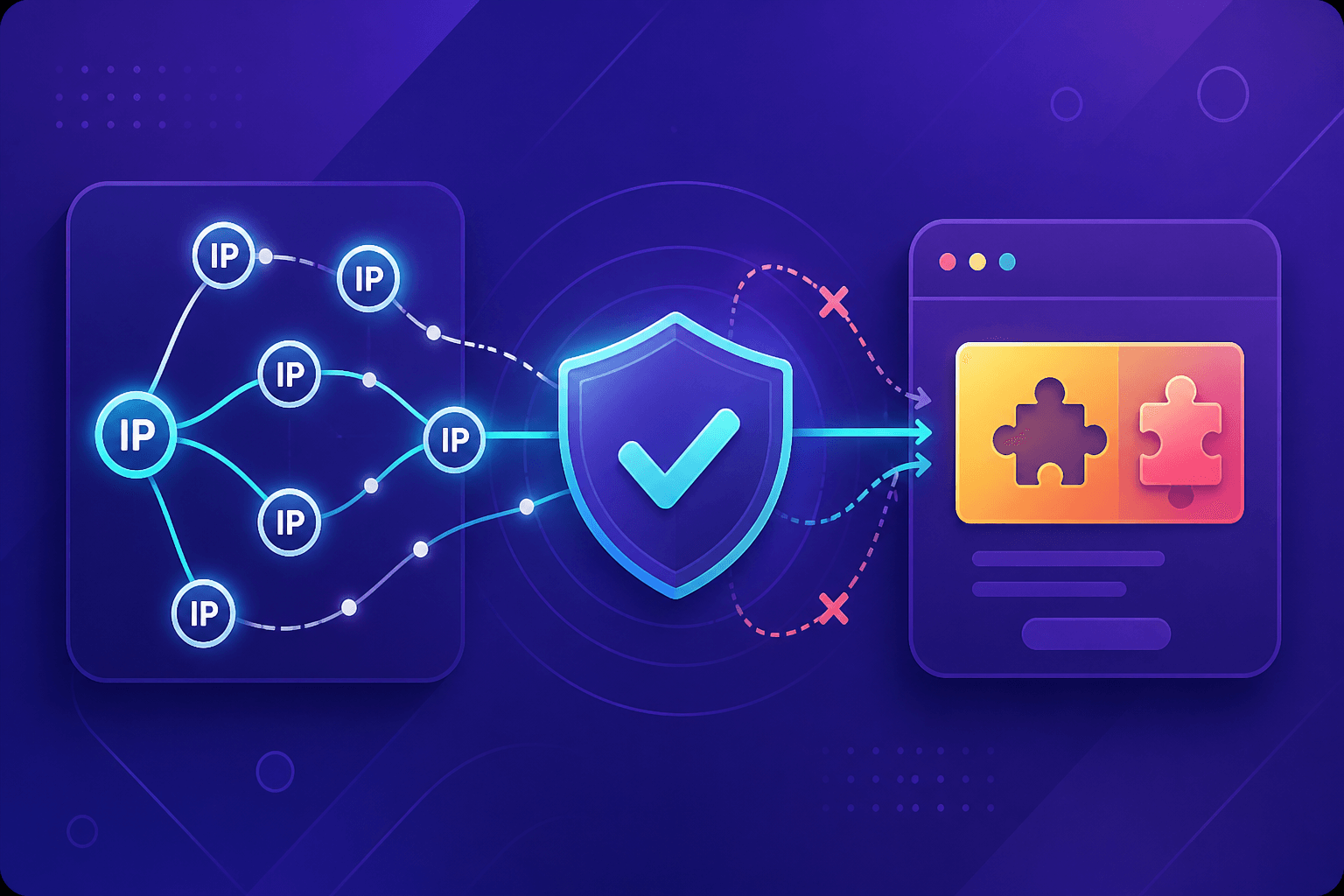
Many websites employ anti-scraping measures, such as CAPTCHAs, IP blocking, and rate limiting, making scraping technically difficult without proper planning. To circumvent these measures, scrapers often need sophisticated tools and strategies, such as proxy rotation and CAPTCHA-solving services.
Overcoming these technical challenges can be resource-intensive, requiring time and money. Therefore, businesses need to evaluate whether the benefits of scraping justify the associated costs and risks.
Web scraping can be practiced legally when the right precautions are taken. To mitigate risks and ensure compliance, individuals and companies should follow these steps:
Target Publicly Available Data
Focus on data not protected by authentication or encryption. Public data, such as product listings or news articles, is generally safer to scrape as long as it does not contain proprietary or sensitive information.
Review Terms of Service
Always check the TOS of a website before scraping and adhere to its policies. Website terms of service often outline what is permissible and what is not. By complying with these rules, businesses can minimize the risk of legal repercussions.
Consult Legal Experts
Seek advice from legal professionals to understand local regulations and minimize risks. Laws regarding web scraping can be complex and vary by jurisdiction. Legal experts can provide invaluable guidance on how to navigate these regulations.
Use Ethical Tools
Employ scraping tools that respect robots.txt files and limit requests to prevent overloading servers. Ethical scraping tools are designed to interact with websites respectfully, ensuring that their activities do not negatively impact server performance.
Obtain Consent
If scraping involves personal or sensitive data, request permission from the website owner. Obtaining consent not only ensures compliance with privacy laws but also demonstrates a commitment to ethical data practices.
Implement Rate Limiting
To prevent overwhelming a website's server, implement rate limiting to control the number of requests made within a specific timeframe. This ensures that scraping does not negatively affect the website's performance or its users' experience.
Several prominent legal cases provide insights into the judicial perspective on web scraping. These cases have shaped the legal framework and set precedents for how web scraping is treated in different jurisdictions.
HiQ Labs vs. LinkedIn
HiQ scraped publicly available LinkedIn profiles for data analysis. LinkedIn argued this violated the CFAA. The court ruled in HiQ’s favor, citing the public nature of the data. This landmark decision has had a profound impact on the legal landscape of web scraping, particularly in the U.S., as it suggests that scraping publicly available data may be permissible under certain circumstances.
Craigslist vs. 3Taps
3Taps scraped Craigslist data without permission, violating its TOS. Craigslist won the case, emphasizing the importance of respecting website restrictions. This case serves as a reminder that website owners have the right to enforce their terms of service and take action against unauthorized data collection.
Meta Platforms vs. Bright Data
Bright Data scraped information from Facebook, leading to litigation over intellectual property rights and user privacy. The case highlights the ongoing conflict between data access and intellectual property, particularly when user privacy is at stake. It underscores the importance of respecting both the rights of the platform and the privacy of individual users.
Providing real-world examples of successful and unsuccessful web scraping implementations can offer readers valuable insights into the practical implications of scraping.
A market research firm successfully used web scraping to collect publicly available product pricing information from various e-commerce websites. By respecting the terms of service and adhering to ethical guidelines, the firm gained valuable insights without facing legal challenges.
An individual scraped proprietary data from a major social media platform without permission, resulting in a lawsuit. The case highlighted the risks of ignoring intellectual property rights and the consequences of non-compliance with the platform's TOS.
To maintain legal and ethical standards:
- Respect Intellectual Property: Avoid copying proprietary content or designs. Intellectual property laws protect the original works of authors and creators, and scraping content without permission can lead to legal issues.
- Adhere to robots.txt: Check for and follow restrictions set by websites. The robots.txt file indicates which pages can or cannot be scraped, and adherence to this file is an essential part of ethical scraping.
- Limit Request Rates: Use techniques like throttling to avoid server overload. Throttling requests ensures that scraping activities do not disrupt a website's normal operations and helps maintain good relationships with website owners.
- Use Anonymized IPs: Rotate IP addresses to minimize detection, but ensure this is legally permissible. Using multiple IP addresses can help bypass rate limits or IP blocking, but businesses must be careful not to violate any laws or terms of service in doing so.
- Transparency and Collaboration: Whenever possible, be transparent about scraping intentions and seek collaboration with website owners to avoid misunderstandings and foster partnerships.
Web scraping is an incredibly powerful tool that can provide significant advantages to businesses and researchers, yet it comes with its share of legal and ethical responsibilities. To leverage the benefits of web scraping effectively, it is essential to understand and navigate the complex landscape of laws and regulations governing this practice. Respecting website terms of service, adhering to privacy laws, and following ethical guidelines are fundamental aspects of ensuring compliant scraping practices.
Successful web scraping involves not only a thorough understanding of local and international regulations but also a commitment to ethical conduct. By maintaining transparency with website owners, implementing best practices such as rate limiting, and focusing on data that is publicly available and not restricted by intellectual property rights, individuals and businesses can minimize the risks involved.
Ultimately, web-scraping offers vast opportunities to enhance data-driven decision-making and gain insights that would otherwise be inaccessible. However, staying informed about evolving legal standards and ensuring that all activities are carried out with respect for both data ownership and user privacy are key to building trust and sustaining long-term benefits. By adopting a responsible and lawful approach, businesses can maximize the potential of web scraping while fostering a culture of integrity and accountability in the digital ecosystem.
Note: We'd like to remind you that the product is used to automate testing on your own websites and on websites to which you have legal access.