What Is a Proxy Server and What Is It Used For?
Table of Contents
In today’s world, the Internet has become an integral part of our lives. We use it for work, study, communication, entertainment, and many other purposes. However, behind this convenience and accessibility lies a complex infrastructure that ensures the stable operation of the network. One of the important elements of this infrastructure is proxy servers, or simply proxies.
A proxy is a kind of intermediary that helps us interact with the Internet, providing security, privacy, and access to various resources. In this article, we will take a detailed look at what proxies are, how they work, what types of proxies exist, and how their use can be beneficial in different situations.

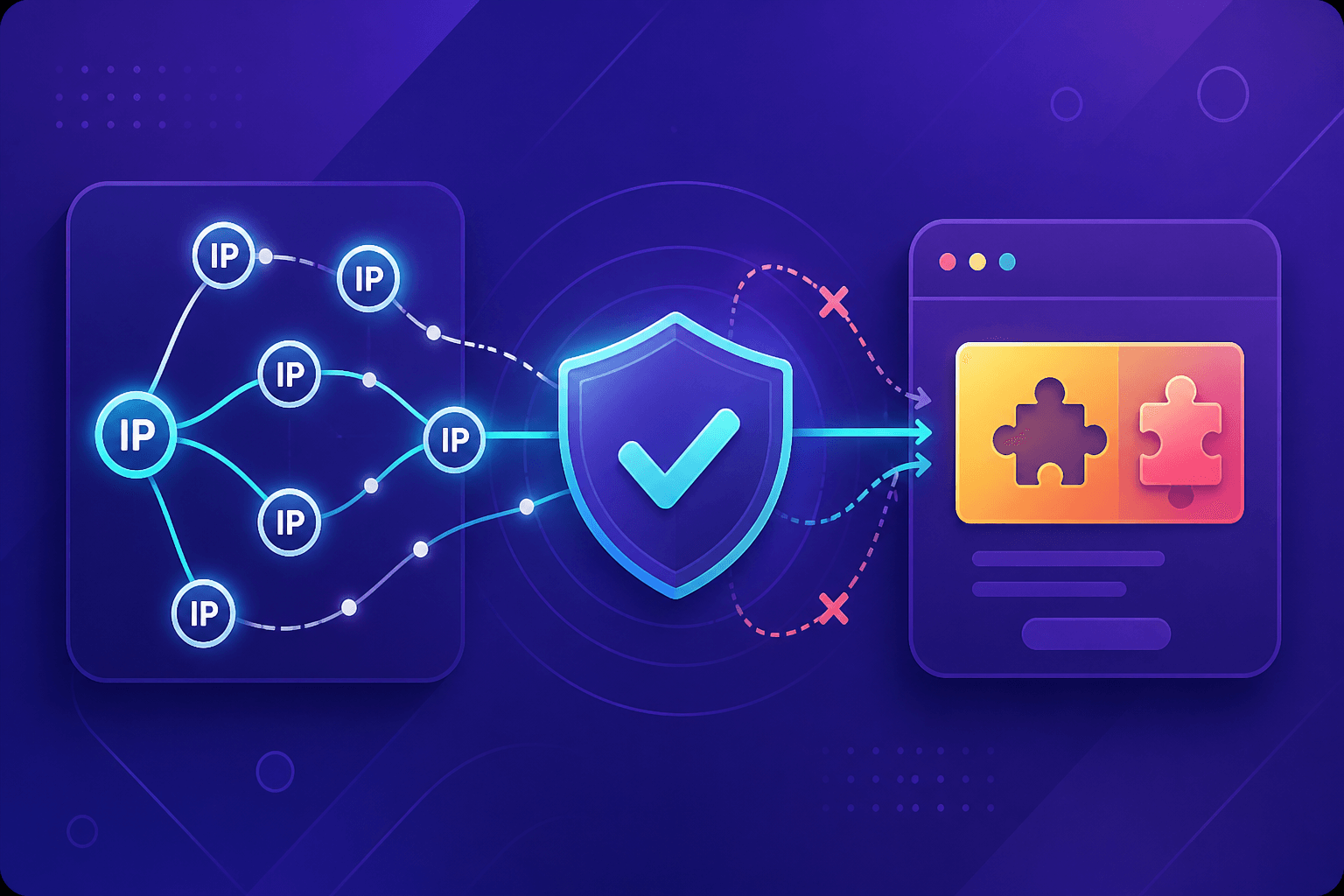
A proxy server is a special server that acts as an intermediary between your device (computer, smartphone, tablet) and the web resources you access. When you send a request to a website, your request first goes to the proxy server, which then forwards it to the target resource. In response, the website sends data back to the proxy server, which in turn delivers it to your device.
Example: Imagine you want to buy a book from an online store located in another country. Your request to access the store’s website is first sent to a proxy server located in the same country as the store. The proxy server masks your IP address and sends the request to the website as if it originates from that country. As a result, you gain access to a resource that might otherwise be unavailable in your region.
Proxy servers perform several important functions that make internet usage safer, more convenient, and more efficient:
• Anonymization: Proxy servers hide your real IP address by replacing it with their own. This helps conceal your location and protect your privacy when visiting websites.
• Security: When using a proxy server, your computer does not directly interact with web resources. This reduces the risk of malware infection, as the proxy can filter harmful requests and files.
• Faster access to resources: Proxy servers can cache frequently requested data. When the same data is requested again, the proxy can deliver it from its cache, speeding up page loading.
• Internet access control: Proxy servers can be used to control internet access in organizations or home networks. An administrator can configure a proxy to block access to specific websites or resources.
Proxy servers come in different types, each with its own features and purpose:
HTTP Proxy: Designed for the HTTP protocol used in web browsers. This is the most common type of proxy used for anonymization and bypassing restrictions.
HTTPS Proxy: Designed for the HTTPS protocol, which encrypts data during transmission. It provides a higher level of security than HTTP proxies.
SOCKS Proxy: A more universal proxy that supports multiple protocols (HTTP, HTTPS, FTP, SSH, etc.). It is often used for accessing restricted resources.
Transparent Proxy: Works in the background without user awareness. It routes all traffic through itself and is often used in corporate networks for access control.
Reverse Proxy: Works in the opposite direction. It protects web servers from external threats by receiving requests from users and forwarding them while hiding the server’s real IP address.
Caching Proxy: Stores frequently requested data. It keeps copies of web pages and files to speed up future requests.
Choosing the right proxy server depends on your needs and tasks. Consider the following factors:
• Proxy type: Choose a proxy type that matches your needs. HTTP is suitable for basic anonymization, while HTTPS provides stronger security.
• Location: The proxy location affects access speed and availability of resources in specific regions.
• Speed: High-speed proxies ensure faster page loading and better performance.
• Cost: Proxies can be free or paid. Free ones are often slower and less reliable, while paid services offer better performance and stability.
• Reliability: Choose providers with a good reputation and stable connections.
Proxy servers can be useful in many scenarios:
• Access to blocked resources
• Privacy protection
• Website testing
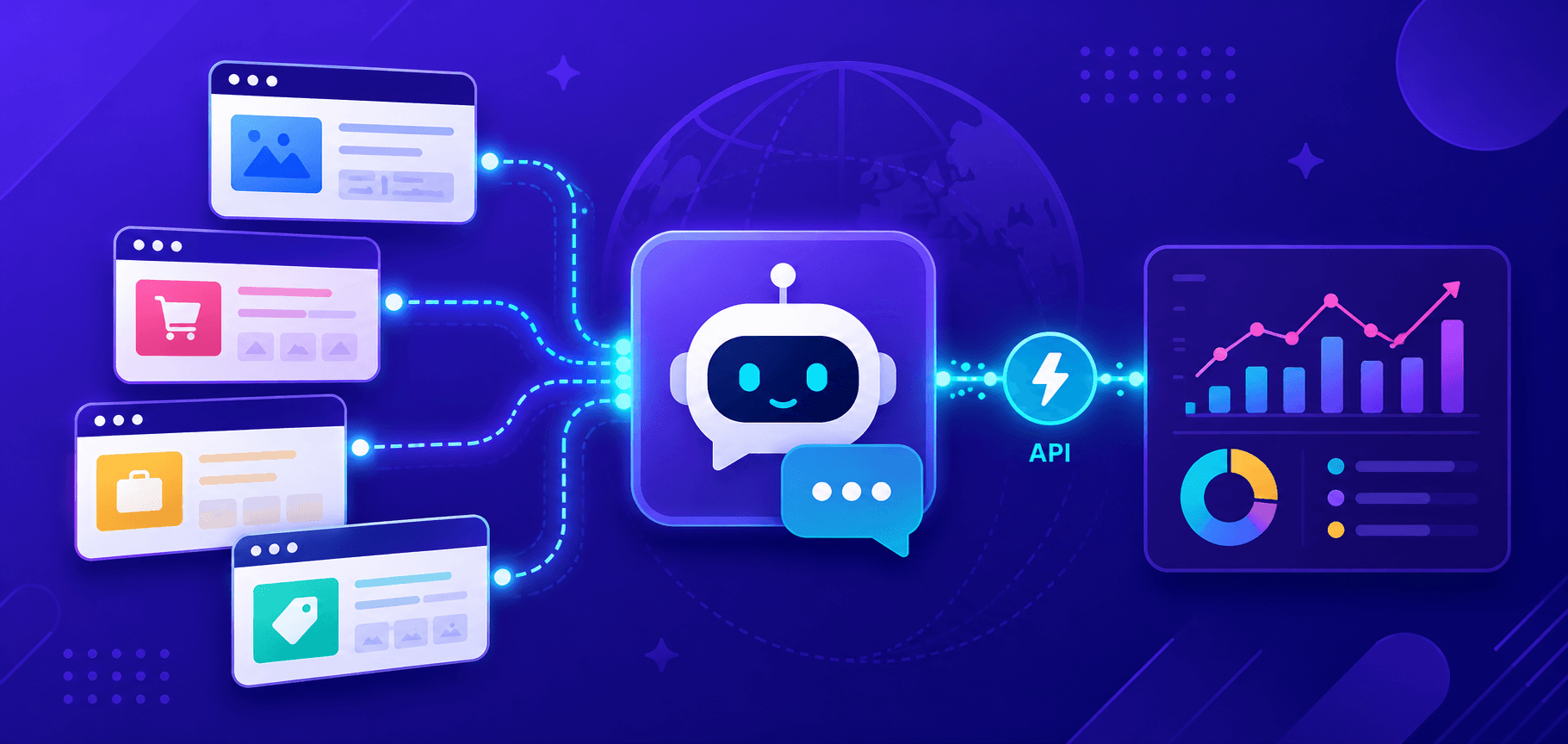
• Web scraping
• Task automation
• Online gaming
When using proxy servers, security is important. Some proxies may be unsafe and used to steal your data. Therefore, it is essential to choose trusted providers.
CapMonster Cloud is a cloud platform that enables CAPTCHA solving automation and proxy usage. It allows easy integration into applications and scripts, supports different proxy types, and helps optimize automation workflows. CapMonster Cloud provides high speed and reliability for internet automation tasks.
Proxy servers play an important role in the modern internet by providing security, privacy, and access to resources. Understanding how proxies work and their types helps you make better choices and use them effectively. Reliable proxy services help improve automation and overall network efficiency.
NB: Please note that the product is intended for automating tests on your own websites and sites you have legal access to.