Proxy servers and their types: how to choose the best one for data protection
Proxy servers are an important element for ensuring anonymity and security on the internet. They function as intermediaries between the user and the target web resource, hiding the user's real IP address and filtering traffic, which helps protect data from interception.

How does a proxy server work?
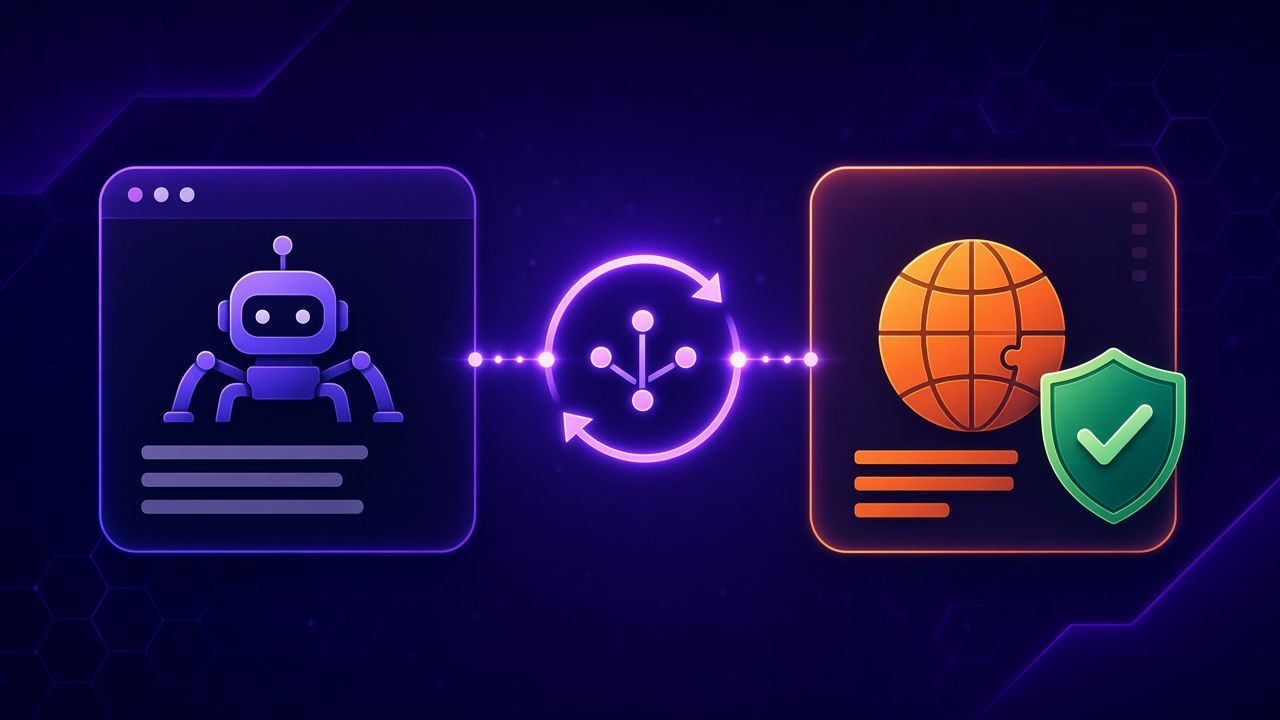
The user makes a request. For example, they visit a website or try to download a file by sending a request to the internet.
The request is sent to the proxy server. Instead of sending the request directly to the target server, the user passes it to the proxy server. This happens because the proxy server acts as an intermediary, hiding the user’s real IP address.
The proxy checks and filters the request. The proxy can perform several functions:
Blocking malicious websites and unwanted content.
Inspecting traffic for security.
Modifying the request, for example, to change the region.
The target server processes the request and returns data to the proxy server. The request sent through the proxy reaches the target resource, which processes it and sends the data back.
The proxy forwards the data to the user. The data received from the target server is sent to the proxy, which then forwards it to the user while hiding the real IP address.
The importance of hiding an IP address
The main advantage of using proxy servers is anonymity. A proxy hides the user's real IP address, making it difficult to track their online activities. It is important to note that hiding an IP address helps prevent:
Tracking of user activity.
Collection of personal data for targeted advertising.
Risks associated with direct access to user data.
Proxy as a filter for data protection
Proxy servers also perform the function of traffic filtering. This helps to:
Block malicious websites, protecting the user from phishing, viruses, and other threats.
Encrypt traffic. Some proxy servers support encryption, which is important for protecting data, especially in open and unsecured networks such as public Wi-Fi.
Detect threats. Proxies can analyze traffic for threats and block potentially dangerous data packets.
Types of proxy servers
Proxy servers come in different types, each with its own specifics and suited for particular tasks. Let’s take a closer look at the main types of proxy servers.
1. HTTP proxy
An HTTP proxy is the most common and simplest type of proxy used for working with web pages via the HTTP protocol.
Features:
Ease of use. HTTP proxies are suitable for basic web browsing. They are ideal for working with non-secure web pages and allow hiding the user's real IP address, increasing anonymity.
No encryption. One of the disadvantages is the lack of data encryption support, making this type of proxy vulnerable to interception, especially in insecure public Wi-Fi networks. Therefore, HTTP proxies do not provide adequate protection when transmitting sensitive data.
Vulnerability to attacks. Since they do not use encryption, data can be easily intercepted, increasing security risks, especially for sensitive operations such as online banking or making purchases.
What they are suitable for:
Basic web browsing.
Viewing publicly available web pages without sensitive information.
2. HTTPS proxy
HTTPS proxies use encrypted connections via SSL (Secure Sockets Layer), providing greater security when transmitting data.
Features:
Data encryption. HTTPS proxies provide a high level of security because they support data encryption using SSL/TLS. This significantly reduces the likelihood of interception and unauthorized access to transmitted data.
Protection of sensitive information. Thanks to encryption, HTTPS proxies are ideal for working with sensitive information such as online banking, online shopping, entering passwords, and other personal data.
Security protocol. Using HTTPS proxies allows you to safely visit websites that use the HTTPS protocol, which is especially important for protecting data on the internet.
What they are suitable for:
Financial transactions, online shopping.
Secure communications and handling of sensitive information.
3. SOCKS proxy
SOCKS (Socket Secure) proxies are universal proxies that support various protocols, not limited to HTTP and HTTPS. They can work with protocols such as FTP, SMTP, P2P and others.
Features:
Flexibility. SOCKS proxies support a wide range of protocols, making them versatile for handling different types of traffic. They can be used for file downloads, email operations, or data transfer via FTP and other services.
High level of anonymity. SOCKS proxies, especially SOCKS5, provide a high level of anonymity. They allow hiding not only the IP address of the user but also other connection details such as device type or operating system.
Use for P2P and torrents. SOCKS proxies are ideal for applications such as torrent clients, where different types of data need to be transferred and connection flexibility is important.
What they are suitable for:
Applications that use various types of traffic (FTP, P2P, SMTP).
Providing anonymity for users involved in downloading and sharing files.
4. Mobile proxies
Mobile proxies use IP addresses provided by mobile carriers, making them especially useful in specific scenarios.
Features:
Mobile device emulation. Mobile proxies allow simulating the behavior of mobile device users, which is useful for bypassing restrictions on content available only to mobile users.
Use for mobile app testing. Mobile proxies are often used by developers to test mobile applications, ensuring they work correctly under different geographic conditions and mobile networks.
What they are suitable for:
Testing mobile applications and simulating traffic from mobile devices.
5. Rotating proxies
Rotating proxies automatically change IP addresses at certain intervals or after each request.
Features:
Changing IP addresses. Rotating proxies provide anonymity by periodically changing the IP address. This prevents actions from being tied to a single IP, which is especially useful when scraping data from websites that may impose limits on the number of requests from one address.
Reduced risk of blocking. Constantly changing IP addresses reduces the likelihood that any one of them will be blocked, as servers cannot easily track and block a single persistent connection.
What they are suitable for :
Data scraping from multiple sources.
Avoiding request limits from a single IP.
Key differences between proxy server types
HTTP proxies are suitable for simple browsing but do not provide encryption, which reduces security.
SOCKS5 proxies provide a high level of anonymity and support various protocols, including FTP and P2P.
Mobile proxies are useful for simulating mobile traffic, making them ideal for testing mobile applications.
Each type of proxy server is suitable for different tasks depending on what matters most to you: security, anonymity, or support for various protocols. Choosing the right proxy depends on your specific needs and the required level of data protection.
Why use proxy servers?
Ensuring anonymity
Proxies hide the real IP address, making it harder to track users, preventing targeted advertising, and protecting data from third parties.Data protection
Some proxies (such as HTTPS) support traffic encryption, reducing the risk of data interception, especially when using open networks like public Wi-Fi.Faster access
Proxies can cache data, speeding up access to frequently visited websites and reducing server load.Enhanced security
Using proxies in public networks increases privacy by protecting data from interception by attackers.
Advantages of using proxy servers
Privacy protection
Proxies hide the IP address, preventing tracking of user activity on the internet.Security
Proxies encrypt transmitted data, reducing the likelihood of interception and misuse by attackers.
Trends in proxy technology development
Modern proxy server technologies continue to evolve, taking into account new user demands and security threats. In this section, we will look at key trends in proxy development, such as the use of artificial intelligence, the growth of mobile proxies, and their impact on security and anonymity on the internet.
AI-powered proxies for enhanced security
One of the newest and most promising directions in proxy server development is the integration of artificial intelligence (AI) to enhance security and improve proxy functionality. AI helps proxy servers adapt to changes in the network and actively respond to threats in real time. Here are the key areas where AI improves proxy performance:
Real-time traffic analysis : AI can analyze and filter data passing through the proxy server, detect suspicious or malicious requests, and block attacks such as DDoS (Distributed Denial of Service).
Anomaly and attack detection : AI can identify unusual activity in the network, such as repeated requests from a single IP address or abnormal user behavior, which may indicate hacking attempts.
Threat prediction and prevention : Using machine learning, AI can analyze past security data and predict potential threats, allowing proxy servers to block malicious actions before they occur.
Automated security updates : AI-powered proxies can automatically update and improve, adapting to new threats without human intervention, making them more flexible and effective.
Development of mobile proxies and their use in various fields
Mobile proxies continue to gain popularity, especially due to the growing use of mobile devices. Mobile proxies are used to simulate user activity on mobile devices, opening new opportunities for businesses and users. Key trends in the development of mobile proxies:
Mobile application testing : In mobile app development, testing is a crucial stage, and mobile proxies play a key role here. With mobile proxies, developers can test application functionality across different regions, mobile networks, and devices, ensuring proper performance worldwide.
Analysis of mobile user data : Mobile proxies are also used to collect data on mobile user behavior. Companies can analyze how consumers use mobile apps, which websites they visit, and how they interact with content, helping optimize marketing strategies and improve advertising effectiveness.
Security and privacy : Mobile proxies provide a level of anonymity that protects mobile users from tracking by hiding their real IP address. This is especially important for protecting personal data and preventing information leaks when using public mobile networks.
Impact on security and anonymity on the internet
One of the main reasons for using proxy servers is protecting personal information and ensuring anonymity on the internet. Proxy servers have a significant impact on user data security and privacy, and with technological development, this role is becoming even more important. Key points include:
Level of anonymity : With the development of security technologies, proxy servers are becoming more effective in ensuring anonymity. Proxies, especially SOCKS5, allow hiding not only the IP address but also other connection metadata such as geographic location. This makes tracking and identifying users more difficult.
Protection from tracking : Proxies can limit tracking by rotating IPs and isolating sessions. This is especially important in modern advertising systems, where every user action online can be tracked for personalized ads.
Traffic encryption : Proxy servers that support SSL and other security protocols can encrypt traffic, significantly increasing protection against data interception. This is especially relevant when using public Wi-Fi networks, where there is a risk of leaking personal data, including passwords and financial information.
Protection from attacks and threats : Proxy servers with advanced filtering mechanisms can protect users from various attacks such as phishing, malicious links, and viruses. They also block access to malicious websites, making internet usage safer.
Proxies in legal regulation context : With increasing internet regulation and privacy requirements (such as GDPR and other laws), proxy servers become an important tool for compliance. They help users hide their online activities, improving privacy and reducing the risk of data leaks.
The use of proxy servers plays an important role in ensuring security, privacy, and anonymity on the internet. They hide the user’s real IP address and protect data during transmission, reducing the risks of tracking and information leaks.
There are several types of proxies, each suitable for different tasks. HTTP proxies are used for basic browsing, HTTPS provides a higher level of protection, and SOCKS supports different types of traffic and offers more flexibility. Mobile proxies allow changing geolocation, while rotating proxies regularly change IP addresses, helping bypass restrictions and reduce the likelihood of blocks.
The choice of proxy depends on the user’s goals: basic browsing may require simple solutions, while working with sensitive data or requiring higher anonymity demands more secure types.
Overall, proxy servers help improve privacy, protect data, and ensure more stable network performance, especially when using public or restricted networks.
NB : CapMonster Cloud is intended for use in testing automation on your own websites or those to which you have lawful access.