Proxies for Traffic Arbitrage: How to Configure and Improve Online Security

In the world of traffic arbitrage, one of the most important tools is the use of proxy servers. Proxies allow you to hide IP addresses, process requests at the IP level, and ensure a high level of user anonymity. In this article, we will подробно examine what proxies are, how they work in the context of traffic arbitrage, how to configure proxies for secure work on the internet, as well as what types of proxies exist.
Why are proxies necessary for traffic arbitrage?
Proxies for traffic arbitrage play an important role in maintaining privacy and security. Arbitrage specialists use proxies to hide their actions and avoid blocks when working with various web resources. The main tasks that proxies solve in arbitrage are:
- Security and privacy. Proxies hide user data, preventing it from leaking in case of attacks or monitoring. This is an important aspect when working with sensitive traffic.
- Anonymity. Proxies hide the real IP address, allowing you to work with web resources without revealing personal data.
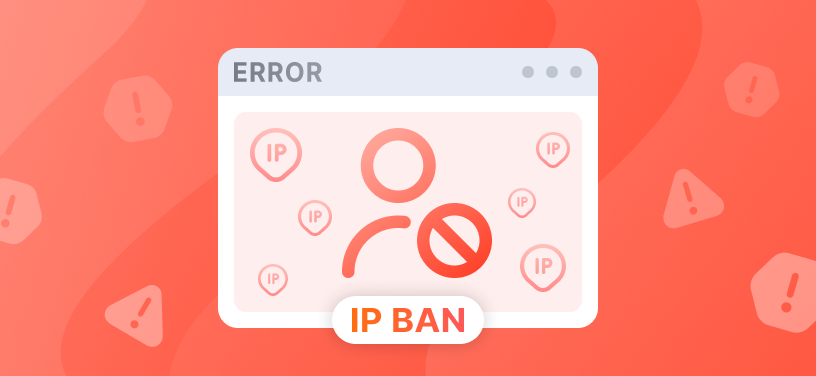
- Reducing the risk of blocking. Proxies allow data substitution and the use of different IP addresses when interacting with target websites, preventing blocks.
Proper configuration of proxy servers helps avoid access issues and improves efficiency in traffic arbitrage.
Types of proxies for traffic arbitrage
There are several types of proxies, each with its own characteristics and applications in traffic arbitrage:
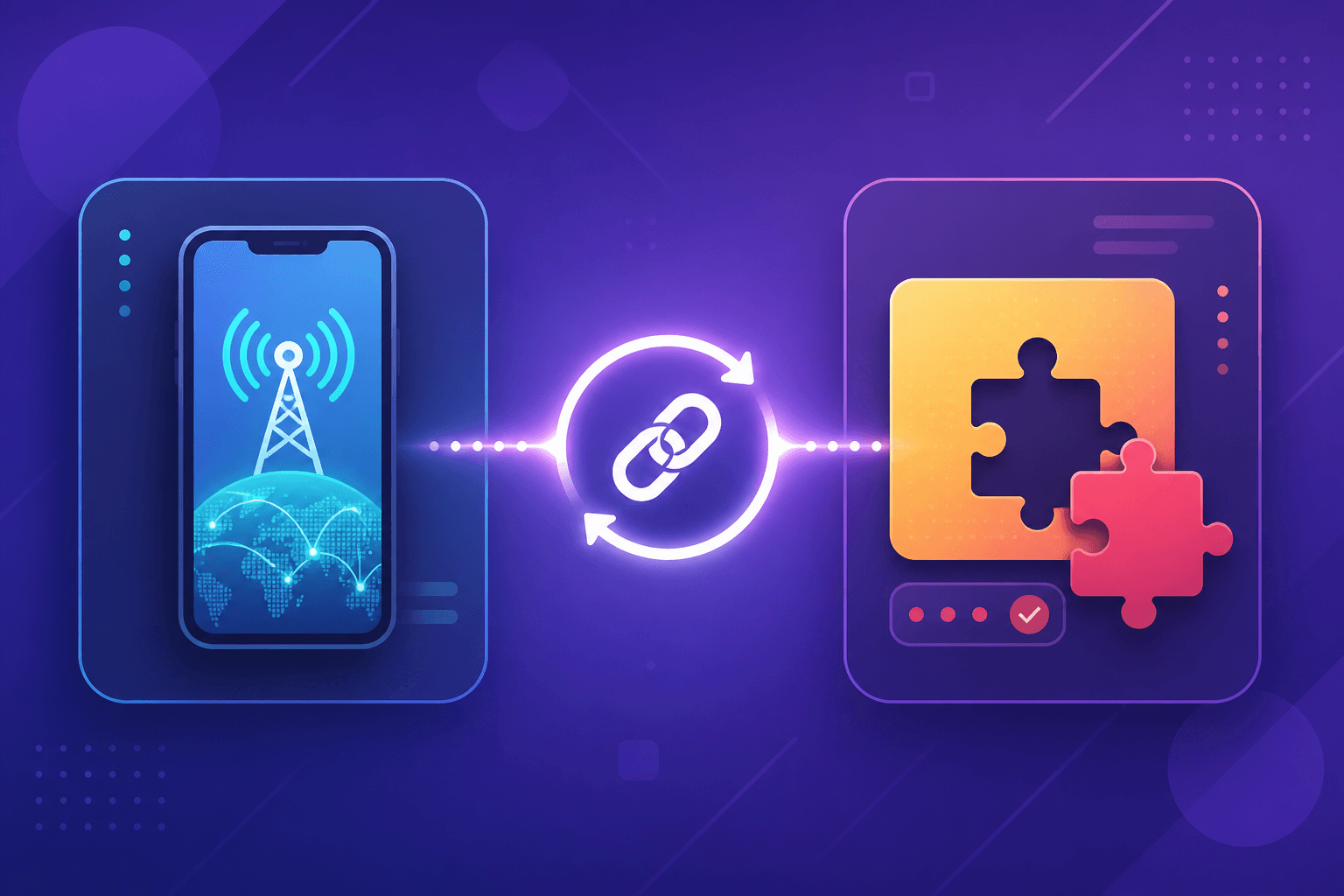
- Mobile proxies. These proxies use IP addresses of mobile operators and are ideal for bypassing restrictions related to mobile traffic. Mobile proxies improve user anonymity and speed up page loading.
- Dedicated proxies (Dedicated Proxy). These are proxy servers provided exclusively to one user. They offer a high level of security and stability.
- Shared proxies. Proxies used by multiple users simultaneously. This option is cheaper but may be less stable.
- Residential proxies. Proxies that use real IP addresses from provider networks. This ensures a high level of anonymity and allows bypassing restrictions.
How do proxy servers work?
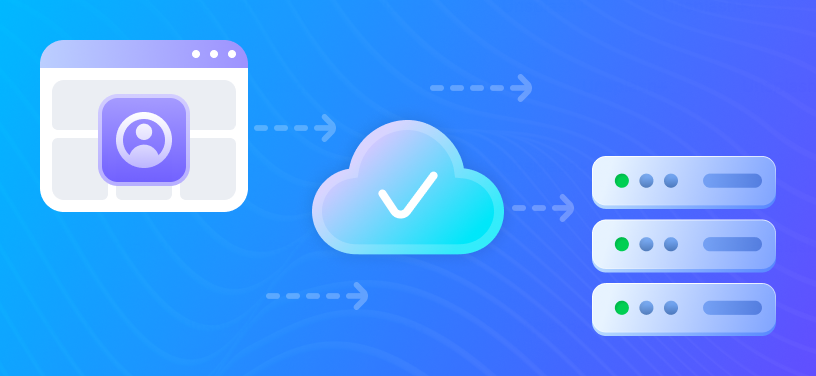
Proxy servers operate at the data transmission level, forwarding requests between the user and the target website. They can hide IP addresses, substitute user data, and provide the ability to bypass restrictions. Proxy servers can be used for:
- IP address substitution. This allows bypassing geo-based restrictions.
- Data hiding of the user, which increases privacy and security.
- Faster page loading. Proxy servers can cache data, speeding up loading for repeated requests.
Configuring proxies for traffic arbitrage
Proper proxy configuration plays a crucial role in successful traffic operations. Here are several key steps:
- Choosing the proxy type. Before configuring proxies, it is important to determine which types best suit your needs. For example, if you work with mobile traffic, choose mobile proxies.
- Server configuration. To ensure proxies work effectively, they must be properly configured on the server so that all requests are routed through them.
- Using proxies to bypass blocks. It is important that proxy servers support bypassing restricted websites and geo-limitations.
Proxies for internet security
One of the key reasons for using proxies in traffic arbitrage is improving security and privacy. Proxies hide user data, which is critical when working with sensitive traffic. For example, proxies conceal location data, preventing tracking of online activity.
Additionally, proxies help bypass IP-based restrictions, allowing access to otherwise limited resources. For example, if a company restricts access to certain websites, proxies can help bypass such limitations.
Free vs paid proxies: what to choose?
Free proxies
Free proxies often attract users due to their accessibility and lack of cost. However, they come with limitations that make them less suitable for serious work, especially in traffic arbitrage.
Advantages of free proxies:
- No cost. This is the main advantage for beginners who are not ready to invest at early stages.
- Suitable for low-intensity tasks. Free proxies can be used for simple operations like bypassing geo-blocks or testing websites.
However, despite their accessibility, free proxies have significant disadvantages:
- Low stability. They often lack consistent speed, causing delays and failures.
- Limited access. Many free proxies only work with specific resources or have strict limits.
- High risk of blocking. Because many users share them, they are frequently blacklisted.
Paid proxies
Paid proxies provide significantly more capabilities for professionals working in traffic arbitrage.
Advantages of paid proxies:
- Higher stability and speed.
- Access to restricted websites.
- Improved online privacy.
- Fewer limitations.
When should you choose paid proxies?
- High speed and stability
- Security and anonymity
- Reliability
When should you use free proxies?
- If you are just starting with traffic arbitrage
- For simple tasks
- For one-time low-volume operations
Advantages of proxies for traffic arbitrage
- Increase security
- Can substitute data
- Help filter unwanted ads
- Reduce the risk of blocking
Using proxies for traffic arbitrage is a necessary step to ensure security and anonymity on the internet.
NB: Please note that the product is intended for automating tests on your own websites and sites you have legal access to.