CAPTCHA on LinkedIn helps the platform determine whether a user is a real person. This mechanism is triggered when the system detects suspicious activity, such as:
a change of IP address; logging in from an unfamiliar device; excessively frequent login attempts; unusual behavior that resembles automated actions.
The system may use FunCaptcha or Google reCAPTCHA, as well as other forms of protection, including Invisible CAPTCHA, which operates in the background. This helps avoid disturbing users unnecessarily, but when the perceived risk is higher, they may still be presented with a standard CAPTCHA challenge.
Why CAPTCHA Fails on LinkedIn
There can be several reasons why a CAPTCHA is not accepted:
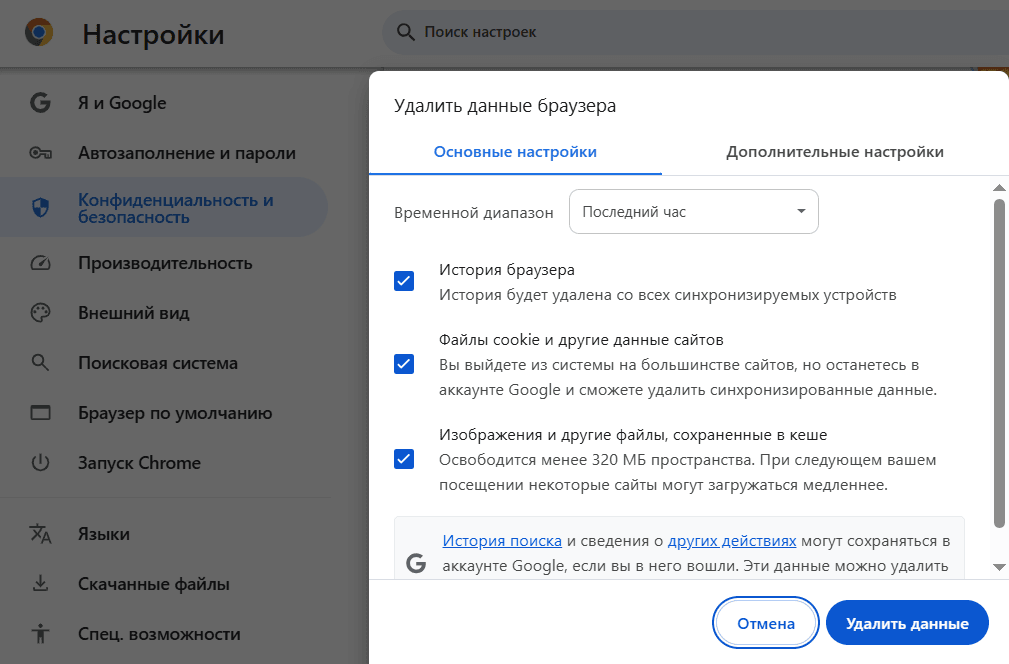
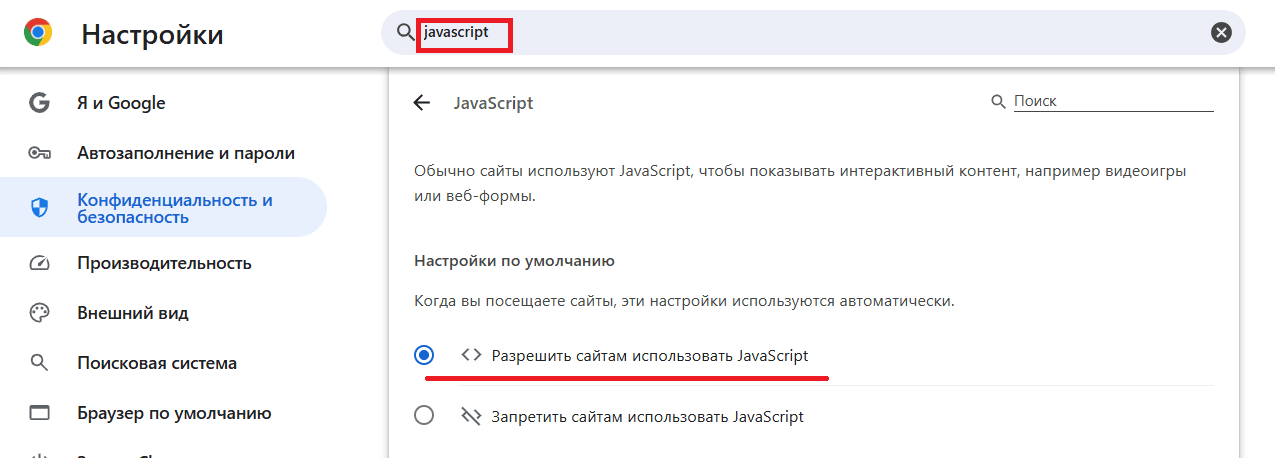
- scripts, cookies, or JavaScript are blocked in the browser;
- active anti-spam plugins or browser extensions;
- internet connection or DNS issues;
- automatic blocking due to suspected bot activity;
- CAPTCHA server overload or errors.
Sometimes, even when completed correctly, a CAPTCHA may not be accepted, making it seem as though the challenge was solved successfully but the login process was never completed. This may be caused by server response delays or an unstable session.
If CAPTCHAs appear every time you sign in, it may be worth reviewing your account security. This can be a sign of suspicious activity.
Alternative Protection Methods on LinkedIn
LinkedIn uses not only CAPTCHAs but also other security mechanisms, including:
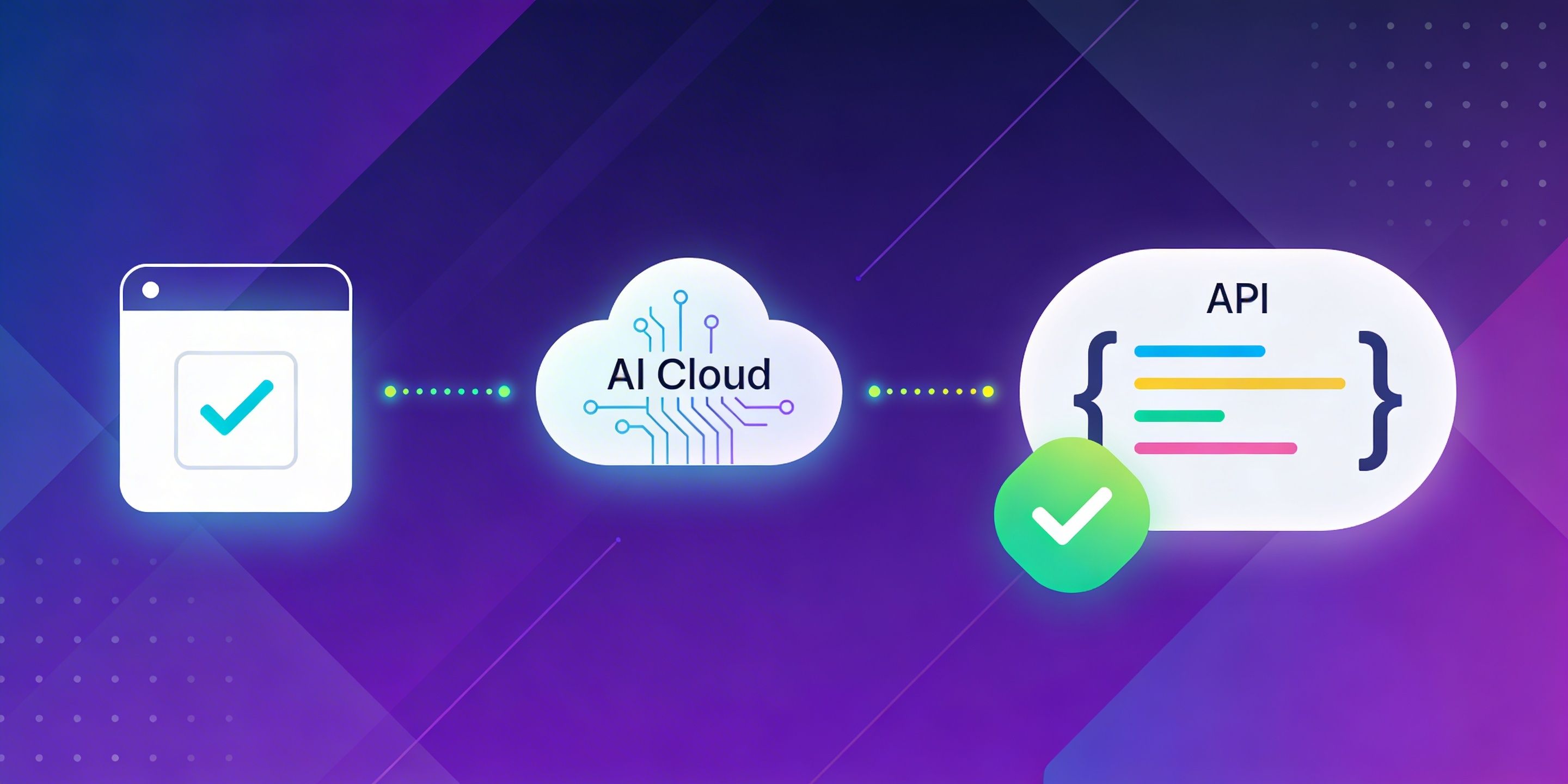
- AI-generated CAPTCHAs created by artificial intelligence;
- Honeypot traps — hidden fields that are visible only to bots;
- Web Application Firewall (WAF) that analyzes behavior in real time;
- Verification of device characteristics such as language settings, screen resolution, and installed fonts;
- Rate limiting of requests;
- Blocking of suspicious IP addresses.
Together, these measures are designed to protect against bots, prevent spam, and distinguish computers from humans as accurately as possible. As part of the overall security strategy, automated requests are becoming increasingly difficult.